Region Overview
Anand sits within a productive agricultural belt of Gujarat that was historically part of a dry deciduous forest region. Over time, much of the natural forest has been converted to farmland and settlements, with biodiversity now persisting in small remnant patches, field boundaries and village groves.
Biodiversity Profile

agricultural fields, remnant dry deciduous patches, scrub and hedgerows.

dry deciduous trees, scattered shade trees on farms, shrubs and seasonal grasses.

farmland birds, small mammals, reptiles, pollinators and other insects.
Even in heavily farmed landscapes, these small green pockets are crucial for ecological balance, supporting pollination, natural pest control and soil health.
UGEL Solution and Impact
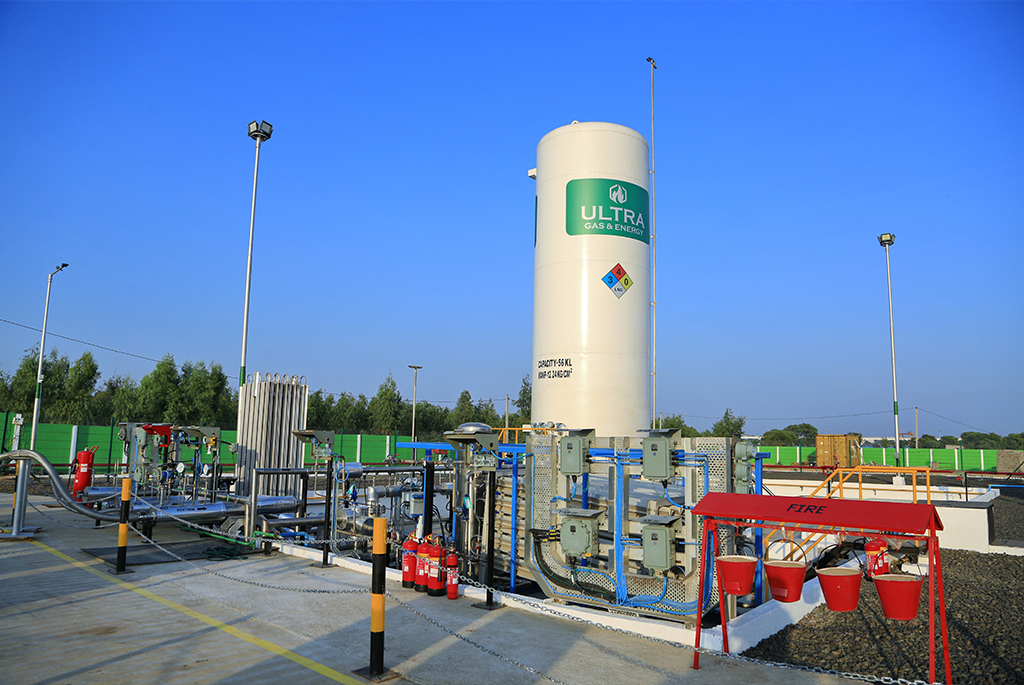
The UGEL LNG retail outlet in this belt enables a cleaner fuel choice for logistics and industry serving the region. With LNG’s lower emissions profile – reduced CO₂, CO, NOx, SOx and particulate matter compared to diesel – the hub supports better air quality for farms, workers and surrounding wildlife.