Region Overview
Jalna is located on the Deccan Plateau, a semi arid to moderately wet region shaped by the monsoon. Historically, this landscape supported dry deciduous forests and scrub, much of which has gradually been converted to cropland and settlements.
Biodiversity Profile

agricultural land, scrub, fallow fields, village groves and degraded forest patches.

dry adapted trees and shrubs, hedgerow vegetation, seasonal grasses and crops.

farmland birds, rodents, reptiles, insect communities and other generalist species that can live in human modified landscapes.
Although heavily altered these ecosystems still depend on patchy vegetation, water bodies and hedgerows that hold the remaining biodiversity together.
LNG Impact and Biodiversity Imprint
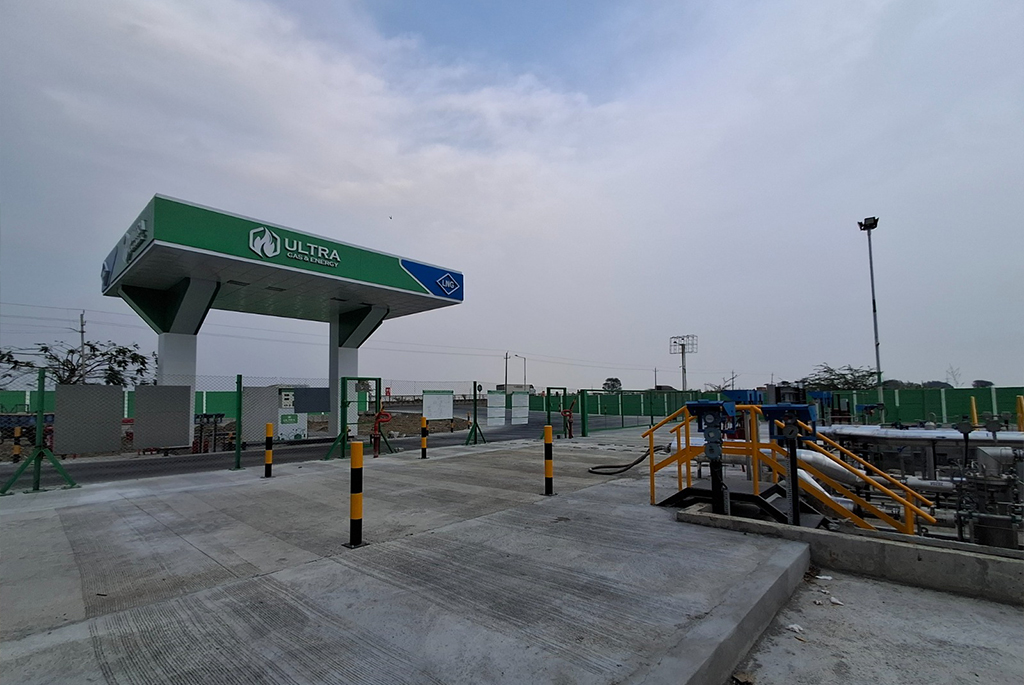
Emission reductions from LNG – particularly lower particulate matter and NOx compared to diesel – can deliver tangible benefits for rural communities, crops and local fauna in this mosaic of fields and scrub. Jalna illustrates how cleaner energy infrastructure, when planned with water, soil and land use patterns in mind, can operate within a rural landscape while respecting the plateau’s limited but important biodiversity.